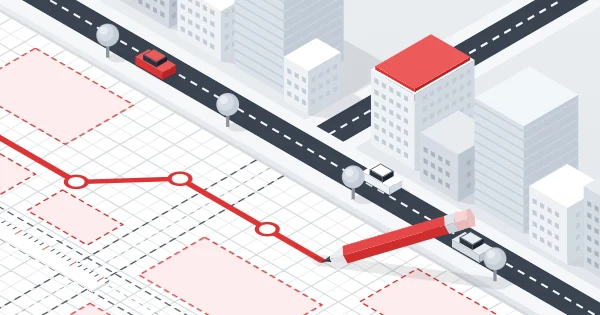
Karachi is the most populous city of Pakistan, its financial hub and its main sea port. Its road network of about 9,500 kilometres carries some 3.1 million vehicles a day. Planning traffic in a city of this size means dealing with congested corridors, a fast-growing number of vehicles, limited public transport and busy freight routes to the port, all at once.
Karachi’s main traffic challenges
- Congested corridors and bottlenecks on the main arterials and at key intersections.
- Public transport that falls short of demand, leaving many trips to cars, motorcycles and informal modes such as Qingqi rickshaws.
- Port and industrial traffic sharing roads with commuters.
- Walking and cycling routes that are unsafe or incomplete, especially in old areas such as Saddar.
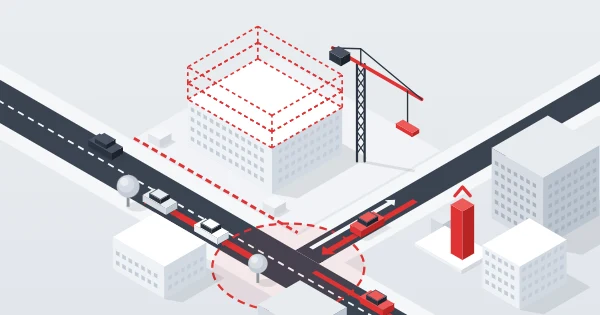
- New buildings and developments adding traffic to roads that are already full.
Our traffic planning work in Karachi
Since 2013, Think Transportation has studied and planned many of the city’s key corridors:
- Congested Corridor and Spot Identification: the cause of congestion, and a remedy, for each identified spot.
- Bus Rapid Transit: traffic surveys and studies for the Red Line, Green Line and Yellow Line, and the Shahrah-e-Faisal BRT feasibility study (more in Bus Rapid Transit).
- Malir Expressway feasibility study: demand estimation and phased planning of entry and exit points and interchanges.
- Karachi Port Trust region and Lyari Expressway traffic surveys.
- Non-motorised corridor analysis of Saddar Town and the pedestrian-friendly design of Nawab Mahabat Khanji Road.
- I.I. Chundrigar Road shuttle service: travel demand and proposed routes.
- Regularisation of Qingqi rickshaws: bringing an informal mode under the law, as a feeder to mass transit.
How we plan
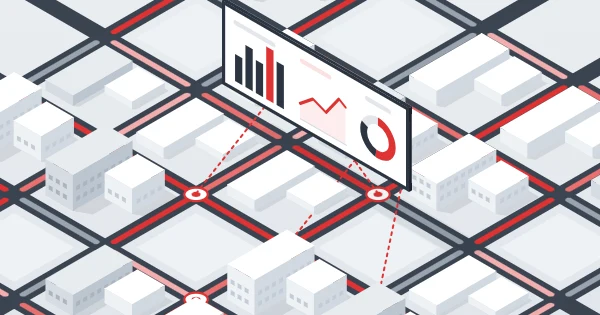
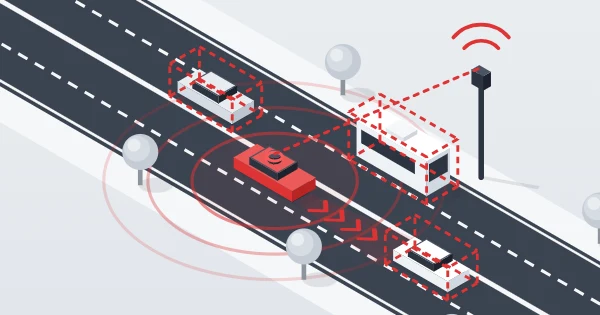
Every plan starts with data. We carry out traffic surveys (volume counts, origin-destination and road user interviews, travel speed and delay, boarding and alighting) and build our transportation planning models from them. For new buildings and developments, our traffic impact studies show the effect on the surrounding roads and the measures needed to keep traffic moving.
Planning a project in Karachi? Talk to our engineers.